


If you’re planning a trip to Tokyo, Osaka, or anywhere in between, the rules for Japan tax-free shopping 2026 are about to look very different. From November 1, 2026, the country is overhauling its decades-old system for foreign shoppers. The familiar “no tax at the register” experience is being replaced by a “pay first, get your refund at departure” model. If you’ve shopped tax-free in Japan before, this is the single biggest change you’ll notice on your next visit.
This guide breaks down exactly what’s changing, who qualifies, and how the new flow works step by step, so you can shop with confidence whether you’re a first-time tourist or a returning national living overseas.
Key takeaways
- From November 1, 2026, Japan switches from instant in-store tax exemption to a pay-first, refund-at-departure model.
- The reform abolishes the general-goods/consumables split, the sealed-packaging rule, and the ¥500,000 daily cap on consumables.
- You must spend at least ¥5,000 (excluding tax) per store per day and leave Japan within 90 days of purchase.
- Refund timing varies: cash can be immediate, credit card takes 1-2 weeks, and bank transfer takes 2-4 weeks.
What Is Changing on November 1, 2026?
Until October 31, 2026, the system works the way most visitors remember: you show your passport at checkout, and the store simply removes Japan’s 10% consumption tax from your bill on the spot. You walk out paying the tax-free price.
From November 1, 2026, that instant discount disappears. Instead, you pay the full price including consumption tax in the store, then claim the tax back as a refund after Japan Customs confirms you’re taking the goods out of the country. As Japan’s Tourism Agency explains, registered shops will sell goods at the tax-included price and refund the consumption tax once export is confirmed at the border. This is the heart of the new Japan consumption tax refund system, often summarized as “pay first, refund later” in Japan.
There’s no overlap period. The old in-store exemption stops on October 31, and the new refund-at-departure method begins the very next day, with the National Tax Agency confirming the switch to the “refund method” from November 1, 2026.
Three Big Simplifications
The reform isn’t only about when you get your money. It also strips away several rules that long frustrated shoppers and staff:
- The general-goods vs. consumables split is gone. Today, electronics and clothing (“general goods”) follow different rules from food, cosmetics, and medicine (“consumables”). From November 2026, every eligible item is treated the same way.
- The sealed-packaging rule is abolished. Currently, consumables must be sealed in a special tamper-evident bag that you can’t open until you leave Japan. That requirement disappears, so you can actually use what you buy while you’re still in the country.
- The ¥500,000 daily cap on consumables is removed. The old upper limit for tax-free consumables no longer applies, which matters most for big spenders on cosmetics, supplements, or specialty foods.
Old vs. New: A Side-by-Side Comparison
| Feature | Current system (until Oct 31, 2026) | New system (from Nov 1, 2026) |
|---|---|---|
| When you save the tax | Instantly, at the register | As a refund, after customs at departure |
| What you pay in-store | Tax-excluded price | Full tax-included price |
| Product categories | Split into general goods and consumables | One unified category |
| Sealed packaging for consumables | Required | Abolished |
| Daily limit on consumables | ¥5,000 to ¥500,000 | No upper limit |
| Minimum purchase | ¥5,000 (excluding tax), same store, same day | ¥5,000 (excluding tax), same store, same day (unchanged) |
| Departure deadline | Not tied to a fixed window in the same way | Must leave Japan within 90 days of purchase |

The New Step-by-Step Flow
Here’s how a tax-free purchase will work once the new rules take effect. The exact airport layout may vary, but the core steps are consistent nationwide.
- Shop and pay the full price in-store. Spend at least ¥5,000 (excluding tax) at a single tax-free-registered store on the same day. Show your passport so the shop records your purchase digitally against your passport information. You’ll pay the tax-included total at checkout.
- Keep your goods and your passport handy. Because the sealed-bag rule is gone, you can use your purchases during the trip. Your purchase data is linked to your passport, so there are far fewer paper slips to manage than before.
- Go to customs before departure. At the airport (or seaport), complete the tax-free confirmation. This is increasingly handled at self-service kiosks where you scan your passport and the system automatically pulls up your purchase records. Customs verifies your passport and records, and may ask to see the items you bought.
- Receive your refund. Once your export is confirmed, the refund is processed by the store or its contracted refund operator. Depending on the method you chose, you may get cash on the spot or a refund routed to your card or bank account.
Important detail to verify locally: the precise kiosk-versus-counter layout, and whether physical inspection happens, can differ by airport and is still being finalized by individual operators. Always allow extra time before your flight and follow the on-site signage.
Refund Timing: Credit Card vs. Bank Transfer vs. Cash
One of the most practical questions about the Japan VAT refund at the airport is simply: when do I actually get the money? Refunds are handled per store or per refund operator, so timing varies, but the general pattern reported ahead of the launch looks like this:
- Cash: Can be immediate at the refund point, but you may lose a little to exchange-rate handling.
- Credit card: Typically appears on your statement in roughly 1 to 2 weeks. The final converted amount depends on your card issuer’s exchange rate.
- Bank transfer: Generally takes about 2 to 4 weeks, and can vary by your destination bank and country.
If speed matters to you, cash or card tends to be quicker than an international bank transfer. These windows are guidance figures published before the rollout and may be refined once the system is live.
The ¥5,000 Minimum and the 90-Day Departure Rule
Two numbers anchor the whole system, and it’s worth getting them exactly right.
First, the ¥5,000 tax-free minimum. To qualify, your purchases must total at least ¥5,000 excluding tax at the same store on the same day. This threshold is unchanged from the current system. You still can’t combine receipts from different stores to reach it, but under the new unified category you can freely combine, say, a jacket and a box of green tea from the same shop toward that ¥5,000 floor.
Second, the tax-free 90-day departure rule. You must leave Japan and complete your customs confirmation within 90 days of the purchase date for the tax-free status to hold. For the vast majority of tourists this is never an issue, but long-stay visitors and people making multiple entries should keep the clock in mind.
Where Can You Shop Tax-Free?
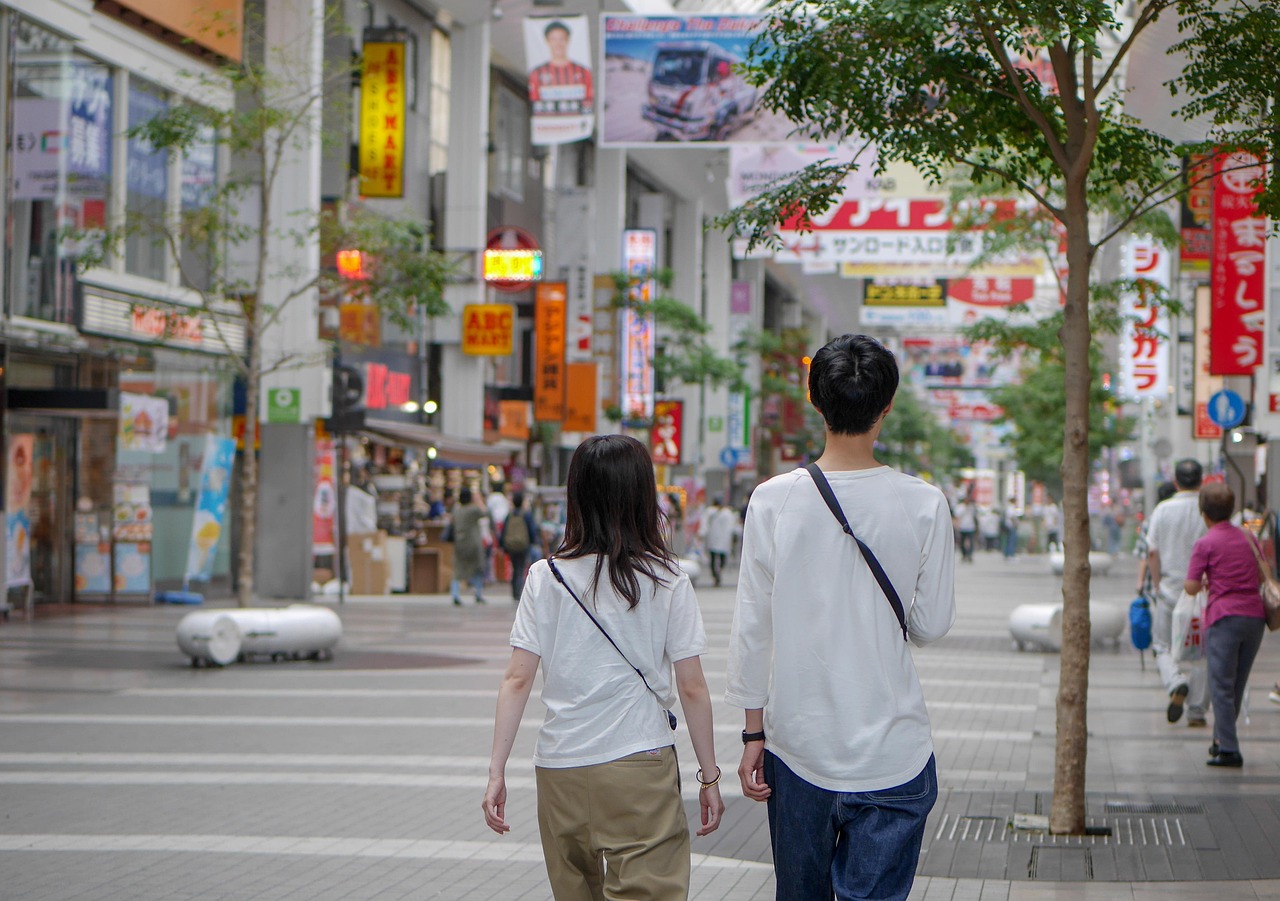
Not every shop in Japan offers tax-free service. The scheme only applies at stores that are officially registered as tax-free retailers, and the new system actually makes this easier to spot. Registered stores display a recognizable tax-free shopping logo, often near the entrance or at the till.
You’ll find tax-free service across a wide range of places that tourists and returning nationals visit most:
- Department stores such as the big names in Ginza, Shinjuku, and Namba, which usually run a central tax-refund counter on one floor.
- Electronics megastores for cameras, gadgets, and appliances.
- Drugstores and cosmetics chains, which are especially popular for skincare, supplements, and medicines now that the sealed-bag rule is gone.
- Fashion outlets, souvenir shops, and specialty food stores that meet the registration requirements.
One practical change worth highlighting: because the general-goods and consumables categories are merging, a single ¥5,000 purchase can now mix item types freely at the same store. That removes a common headache where shoppers fell just short of the threshold in one category while comfortably over it in another.
How to Prepare for a Smooth Refund
The new process is simpler in many ways, but a little preparation still goes a long way, especially on a busy departure day. Keep these habits in mind:
- Carry your physical passport while shopping. Stores link your purchase data to your passport at checkout, so a photo or copy generally won’t do. If you’re a Japanese national living abroad, bring your proof of overseas residence too.
- Decide your refund method in advance. If you’d rather have yen in hand, ask about cash refunds. If you prefer everything on one card statement, choose the card option and accept the short wait.
- Keep purchases accessible until you clear customs. Even though sealed bags are no longer required, customs may still ask to see your items, so avoid burying them deep in checked luggage before the confirmation step.
- Build in extra time at the airport. Self-service kiosks speed things up, but queues can form during peak departure windows. Arriving early protects both your refund and your flight.
- Time bigger purchases around sale seasons. If your dates are flexible, lining up larger buys with Japan’s main seasonal sale periods lets the tax refund stack on top of an already-discounted price.
- Mind the 90-day clock on longer trips. If your stay or multi-entry itinerary stretches out, track your earliest tax-free purchase date so you complete the customs step in time.
Who Is Eligible?
Eligibility centers on being a non-resident of Japan, in line with the official tourism guidance. In practice, that covers two main groups.
- Foreign visitors who are short-term, typically those within six months of entering Japan on a temporary visitor status. Cruise passengers arriving on landing permits generally qualify too.
- Japanese nationals living abroad. If you’re a Japanese citizen whose registered residence is overseas, you can also shop tax-free, but you’ll usually need to prove your non-resident status, for example with a certificate of overseas residence. This is the key point for returning nationals: your passport alone may not be enough, so carry documentation showing you live outside Japan.
Who’s not eligible? Foreign nationals living and working in Japan long-term, and anyone with a resident record in the country, can’t use the tourist tax-free scheme. If that’s you, there are still smart ways to trim your tax bill as a resident, such as furusato nozei (hometown tax) for foreign residents. The goods are also meant to be taken out of Japan and not resold or consumed long-term within the country.
FAQ
Do I still need to do anything special if I shop before November 1, 2026?
No. If you shop on or before October 31, 2026, the current in-store exemption still applies and you save the tax at the register as usual. The new refund-at-departure process only governs purchases made from November 1, 2026 onward.
Is the ¥5,000 minimum based on the price before or after tax?
Before tax. You need to spend at least ¥5,000 excluding consumption tax at one store on a single day. That part of the rule does not change under the 2026 overhaul.
Can I open and use my purchases during the trip now?
Yes. With the sealed-packaging requirement abolished, you no longer have to keep consumables sealed until departure. Just remember you’ll still present your passport and purchase records at customs when you leave.
How long does the refund take to reach me?
It depends on the method. Cash can be immediate, credit-card refunds commonly land in about 1 to 2 weeks, and international bank transfers can take roughly 2 to 4 weeks. Exact timing is set by the store or refund operator.
I’m a Japanese citizen living overseas. Can I shop tax-free?
Yes, provided you can show you’re a non-resident, typically with a certificate of overseas residence. Carry that proof along with your passport, since your nationality on its own doesn’t confirm where you live.
The Bottom Line
The 2026 reform trades the convenience of an instant register discount for a simpler, more flexible set of rules: one product category, no sealed bags, no ¥500,000 cap, and a single airport step to claim your money back. The trade-off is that you’ll front the consumption tax and wait for a refund after customs confirms your departure.
For most visitors, the practical takeaways are easy to remember: spend at least ¥5,000 (pre-tax) per store per day, keep your passport linked to your purchases, leave Japan within 90 days, and complete the customs check before you fly. Because some airport procedures are still being finalized, confirm the latest details locally before your trip and give yourself extra time at departure. Plan ahead, and the new Japan tax-free shopping 2026 system should be smoother than it first sounds.
This article is for general information only and reflects rules announced ahead of the November 1, 2026 launch. Procedures may be refined; check official Japanese government and airport sources before you travel.
ℹ️ Information only — not tax advice
This article explains Japan’s tax-free shopping rules in plain English. It is general information, not tax or legal advice, and the rules — including the new refund system — can change and depend on your residency status. Before you rely on it, check the official sources — Japan’s National Tax Agency (国税庁) and Japan Customs (税関) — or consult a qualified professional (税理士).


[…] the same stacking instinct that has residents timing purchases to seasonal sales and chasing tax-free shopping — squeeze every layer, not just the sticker. Price the total, net out the points, and let […]
[…] feet with money in Japan, the smaller wins add up too, from these accounts to everyday perks like tax-free shopping on eligible […]