

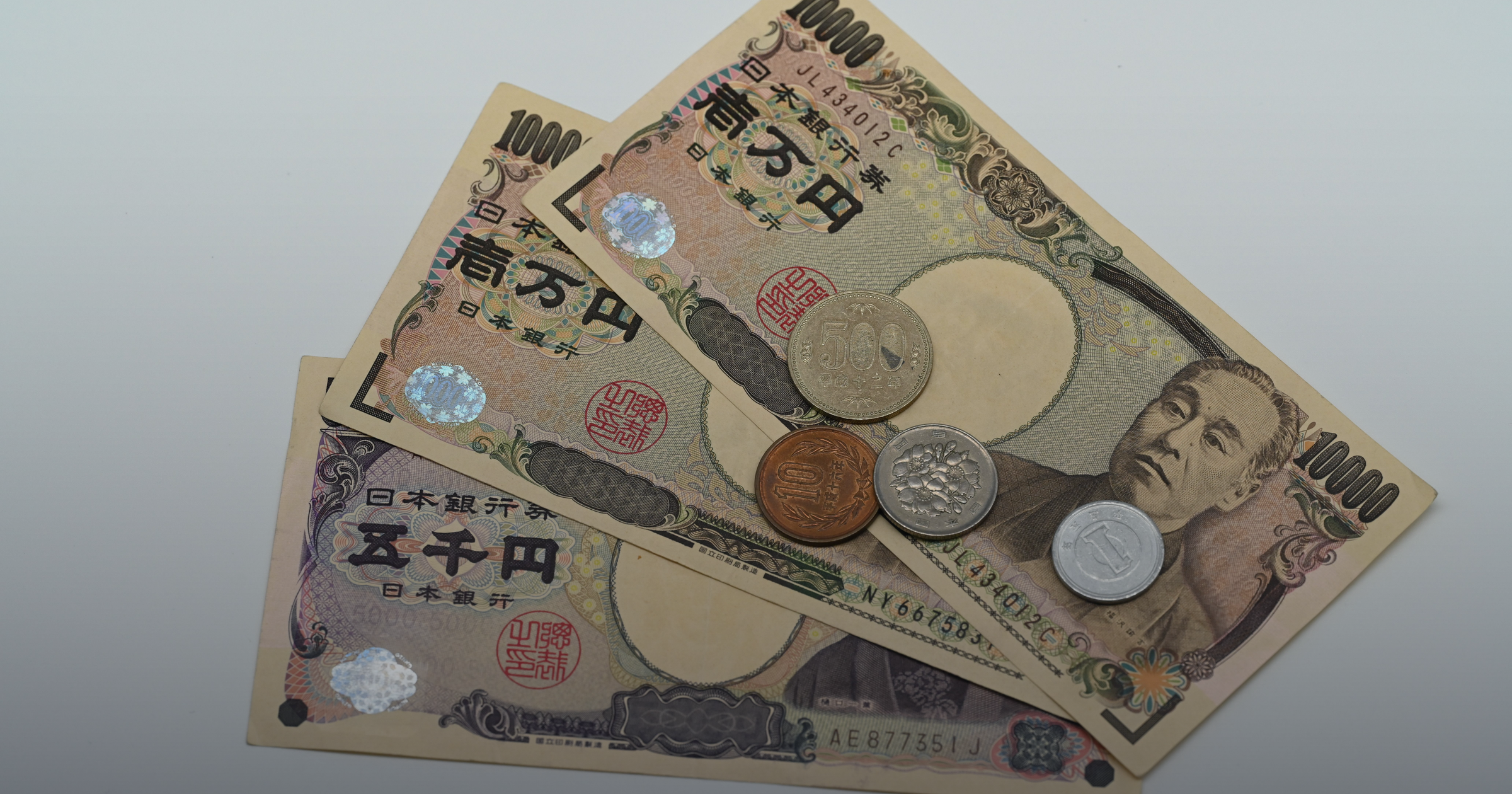
If you pay Japanese income and residence tax, furusato nozei for foreigners is one of the few legal ways to get something tangible back from the tax you already owe. But here’s the catch that most English guides still get wrong in 2026: Japan’s government banned portal bonus points from October 2025. So if you read an older article telling you to “donate through Rakuten and rack up 30,000 points,” that advice is now obsolete. This guide explains what actually changed, what’s still worth your time, and exactly how the hometown tax in Japan works for non-Japanese residents this year.
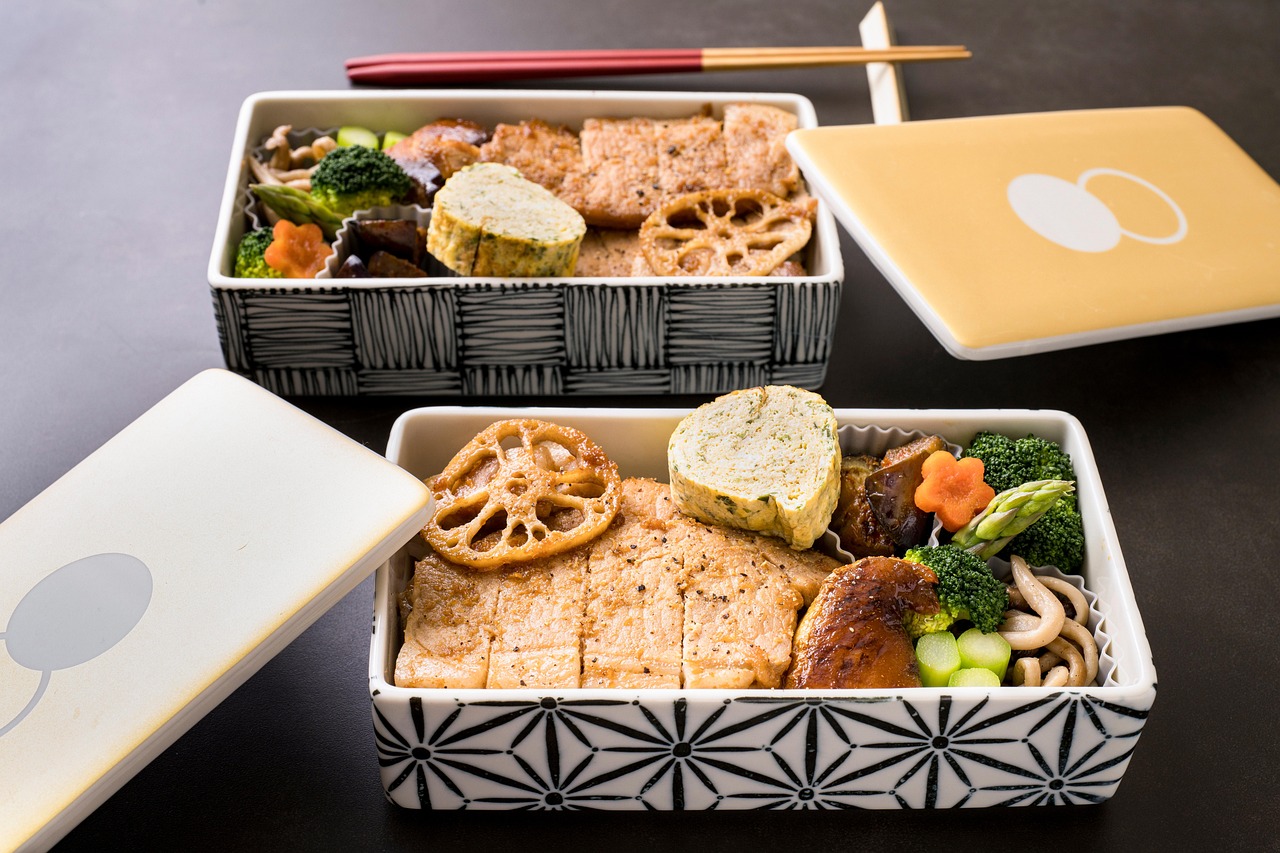
Key takeaways
- Japan banned portal bonus points from October 2025, ending Rakuten/PayPay point-stacking; only the core tax benefit remains.
- Nationality doesn’t matter: anyone paying Japanese income and residence tax is eligible, with the identical procedure as citizens.
- You pay a flat ¥2,000 out of pocket and receive return gifts worth roughly 30% of your donation.
- Respect the December 31 payment deadline and January 10 arrival deadline for One-Stop forms, or lose the deduction.
What Is Furusato Nozei (Hometown Tax)?
Despite the name “tax” (nozei means “to pay tax”), furusato nozei is technically a donation program. You donate to any municipality in Japan you like, and almost all of that money comes back to you as a reduction on your taxes. In exchange, the local government sends you a thank-you gift (return goods, or henreihin) made by that region: rice, wagyu beef, fruit, seafood, sake, kitchenware, towels, and thousands of other items.
The system was created so people could support rural regions instead of sending every yen to the big city where they live. For you as a resident, the practical effect is simple: you redirect part of your residence tax to a place of your choosing, and you receive local products for it.
The core mechanic almost everyone repeats is this: you donate, and everything above a flat ¥2,000 is returned to you through your taxes. That ¥2,000 is your only true out-of-pocket cost, no matter whether you donate ¥10,000 or ¥100,000 in a year (as long as you stay under your personal limit). In return you receive gifts typically worth around 30% of the donation. Donate ¥50,000, pay ¥2,000 net, and receive roughly ¥15,000 worth of goods. That is the real benefit in 2026 — not points.
At a glance, the full cycle looks like this:
- Estimate your personal donation limit with an online simulator.
- Choose municipalities and gifts on a donation portal and pay (often by credit card).
- Receive your gift and a donation receipt (juryō shōmeisho) from each municipality.
- Claim the deduction either through the One-Stop system or a tax return.
- See the benefit on the following year’s income tax adjustment and residence tax bills.
Can Foreigners Do Furusato Nozei? (Yes)
This is the question that stops most people, so let’s be clear: nationality does not matter. Furusato nozei is open to anyone who pays Japanese income tax and residence tax. If you are a salaried employee on a work visa, a permanent resident, or a self-employed freelancer, and you have a Japanese tax liability, you are eligible. The procedure is identical to the one Japanese citizens follow.
The only people who genuinely cannot benefit are those with no Japanese income or residence tax to offset. If you arrived partway through the year and owe little to no tax, or you are about to leave Japan, the deduction may not reach you (more on the timing traps below). The benefit comes from tax you actually owe — it is not a refund of money you never paid.
How the Deduction Actually Works
Your donation (minus ¥2,000) is returned through three separate channels. You don’t need to calculate these yourself, but understanding them helps you see where the money goes:
- Income tax refund = (donation − ¥2,000) × your income tax rate
- Residence tax basic deduction = (donation − ¥2,000) × 10%
- Residence tax special deduction = the remaining portion, which brings the total back up to your full donation minus ¥2,000
Added together, these three pieces equal your donation minus that flat ¥2,000 (the official breakdown is published by the Ministry of Internal Affairs and Communications). The income tax portion arrives as a refund or adjustment, while the bulk shows up as a residence tax deduction in Japan on the following year’s bill. This is why the benefit is delayed: you donate in 2026, and you see the residence tax reduction across the bills issued from June 2027. One nuance: if you use the One-Stop system (below) instead of filing a return, there is no separate income-tax refund — that portion is simply folded into your residence tax deduction, so the total benefit works out the same.
Your Furusato Nozei Deduction Limit: Worked Examples
You can only donate so much before the system stops returning your money. Beyond your personal ceiling, the excess is treated as an ordinary donation and is not fully refunded — you simply lose it. Your furusato nozei deduction limit is tied to your income, family situation, and other deductions (it works out to roughly 20% of your residence tax).
Here are realistic figures for salaried employees. Treat them as estimates, not guarantees, because your social insurance, dependents, tax-advantaged accounts like iDeCo, and other deductions all shift the number:
| Annual salary | Single / no dependents | Married, non-working spouse |
|---|---|---|
| ¥5,000,000 | about ¥61,000 | about ¥49,000 |
| ¥7,000,000 | about ¥108,000 | about ¥86,000 |
Worked example 1: A single expat earning ¥5,000,000 has a ceiling of roughly ¥61,000. If they donate exactly ¥61,000, they pay ¥2,000 out of pocket, get ¥59,000 back through their taxes, and receive gifts worth around ¥18,000. Net result: about ¥18,000 of regional products for a ¥2,000 cost.
Worked example 2: A married employee earning ¥7,000,000 whose spouse doesn’t work has a ceiling near ¥86,000. Donating that amount returns ¥84,000 through taxes for the same ¥2,000 cost, with gifts worth roughly ¥25,000.
A crucial point for couples: if both spouses work and pay tax independently, each person has their own separate limit and must donate under their own name with their own account. You cannot pool one person’s limit. Always run your numbers through an official simulator on a donation portal before you commit, and intentionally stay a few thousand yen under the estimate to avoid accidentally exceeding the cap.
The Furusato Nozei Points Ban (2025): What Changed
This is the heart of why 2026 guidance differs from everything written before. For years, portal sites competed by stacking bonus points on top of the gift — Rakuten Points, PayPay points, Amazon gift cards, and similar rewards worth a meaningful percentage of your donation. Combined with the return gift, donors could effectively profit well beyond the gift itself.
The Ministry of Internal Affairs and Communications ended this. Under the furusato nozei points ban 2025, all donation portal sites — Rakuten, Yahoo/PayPay, Satofull, Furunavi, Furusato Choice and the rest — have been prohibited from awarding bonus points or cashback tied to donations since October 2025. The “point alchemy” of donating, receiving gifts, and earning tens of thousands of points on top is over. Rakuten opposed the rule so strongly that it submitted a petition with roughly 2.95 million signatures to the Prime Minister in March 2025 and filed a lawsuit against the government that July, but the ban took effect regardless.
What’s still worth it after the ban
The ban removed the bonus layer, not the core benefit. As of 2026:
- The return gift still exists. You still receive roughly 30% of your donation in regional products for a ¥2,000 net cost. That alone makes the program worthwhile.
- Credit-card payment points are unaffected. The ban targeted portal bonus points, not the ordinary points your card issues for any purchase. If you pay your donation with a credit card, you still earn that card’s standard reward points exactly as you would for any other transaction.
- The tax math is identical. Nothing about the ¥2,000 self-burden or the deduction structure changed because of the ban.
So the honest 2026 takeaway is this: furusato nozei is no longer a points-farming scheme, but it remains an excellent way to convert tax you already owe into food and goods you’d otherwise buy at full price. The practical change for you is that there’s less reason to obsess over which portal to use — without bonus points, the portals are now competing mainly on selection, usability, and English support rather than reward stacking. Pick whichever site lists the gifts you want and makes checkout easy.

One-Stop Special System vs. Filing a Tax Return
There are two ways to actually claim your deduction. Choosing the right one matters.
The One-Stop Special System
The one-stop special system (wanstoppu tokurei) lets salaried employees claim the deduction without filing a tax return. After each donation, you submit a short application form plus a copy of your My Number card (or alternative ID) to each municipality you donated to. The municipalities then communicate with your city hall, and your residence tax is reduced automatically.
You can use One-Stop only if all of these are true:
- You donated to five municipalities or fewer in the calendar year (the One-Stop municipality cap). Multiple donations to the same town count as one municipality.
- You are a salaried worker who does not otherwise need to file a tax return (no significant side income, no medical-expense claim, etc.).
Filing a tax return (kakutei shinkoku)
You must file a final tax return instead if you donated to six or more municipalities, are self-employed, have side income, or are filing a return for any other reason (medical deductions, certain housing-loan situations, multiple employers). In that case you list every donation on the return and the deduction flows through automatically.
The trap that voids deductions: if you submitted One-Stop forms and then file a tax return for any reason, your One-Stop applications are cancelled. You must then re-declare all of your donations on that tax return. People who file later to claim a medical deduction — and forget to re-enter their furusato nozei donations — silently lose the entire deduction.
Year-End Timing and the December 31 Deadline
Furusato nozei runs on the calendar year, not Japan’s April–March fiscal year. Two dates control everything:
- December 31 — your donation payment must be completed by year-end to count for that tax year. A card payment that settles on January 1 counts for the next year. Don’t leave it to the final hours.
- January 10 — if you use One-Stop, your application forms must physically arrive at each municipality by January 10 of the following year. A postmark is not enough; the paperwork has to be in their hands. Miss it, and your only option is to file a tax return instead.
Common Mistakes That Void Your Deduction
These are the errors that turn a smart move into wasted money:
- Over-donating past your limit. Anything above your personal ceiling is not refunded. Stay a buffer below the simulator’s estimate.
- Missing the January 10 One-Stop deadline. Late forms are rejected, forcing a tax return you may not have planned for.
- Donating to your own city of residence. You can still receive the tax deduction, but municipalities are barred from giving return gifts to their own residents — so you get the deduction with no gift, defeating the purpose. Donate elsewhere.
- Filing a tax return after sending One-Stop forms without re-declaring. This cancels One-Stop and erases the deduction unless you list the donations again.
- Leaving Japan or changing residency at the wrong time. Residence tax is assessed based on where you lived on January 1. If you’ve left Japan or no longer have a residence-tax liability when the bill comes due, the deduction may not reach you. Expats planning to depart should check their timing carefully.
A Note on the 2026 Reform Proposal
You may see headlines about a future cap on furusato nozei deductions. In December 2025, the ruling coalition included a measure in its FY2026 tax reform outline to cap the residence-tax special deduction at roughly ¥1.93 million per person. This is aimed squarely at ultra-high earners (annual income around ¥100 million) and, as of mid-2026, is slated to apply to donations made from 2027 onward — and it still has to clear the Diet, so it is not yet a current rule. For the vast majority of expat salary earners, this changes nothing about your 2026 donations. Always confirm the latest status before year-end, since reform details can shift.
FAQ
Do I need a My Number card to do furusato nozei?
For the One-Stop Special System you need to submit a copy of your My Number card, or alternative identification documents if you don’t have the card. If you file a tax return instead, you supply your My Number on the return.
Did the points ban kill furusato nozei?
No. The October 2025 ban removed portal bonus points, but the return gifts (worth about 30% of your donation) and the tax deduction remain fully intact. Credit-card payment points are also unaffected.
Can my spouse and I share one donation limit?
No. If you both pay tax, each of you has a separate limit and must donate in your own name. You cannot combine them onto one person.
When will I actually see the benefit?
The income tax portion comes back shortly after you file or via year-end adjustment, while the larger residence tax deduction appears across the bills issued from June of the following year.
What happens if I donate more than my limit?
The amount above your ceiling is treated as an ordinary donation and is not refunded through this system, so you effectively lose it. Use a simulator and leave a buffer.
Conclusion
Furusato nozei in 2026 is no longer the points-stacking game older guides describe — the 2025 ban settled that. But the real reason to participate never depended on points. For a flat ¥2,000, you redirect tax you already owe into high-quality regional food and goods, and the process for foreigners is exactly the same as for everyone else. Calculate your limit, stay under it, pick the One-Stop route if you qualify, and respect the December 31 and January 10 deadlines. Done right, it’s one of the simplest wins available to anyone paying tax in Japan — and if you’re stacking up household savings, it pairs naturally with other ways to keep more money in your pocket in Japan. This article is general information, not tax advice; confirm your own figures with an official simulator or a licensed tax professional before you donate.
ℹ️ Information only — not tax advice
This article explains furusato nozei (the hometown tax program) in plain English. It is general information, not tax or legal advice, and the rules — including deduction limits and the 2025 points change — depend on your income and situation. Before you make any decision, check the official sources — Japan’s National Tax Agency (国税庁) and the Ministry of Internal Affairs and Communications (総務省) — or consult a qualified tax accountant (税理士).



[…] cannot offer, and it stacks neatly with Japan’s other tax breaks for residents, such as the furusato nozei hometown-tax scheme. The long-term resident playbook is often to max the iDeCo deduction first, then route additional […]
[…] layered, returns-on-everything mindset runs deep in Japan — it’s the same instinct behind furusato nozei (hometown tax), where residents route taxes they owe anyway through a system that hands back local gifts. Once you […]
[…] One more trap: if an employee’s “referrals” become frequent and business-like — say they’re effectively running a side recruiting operation — it can tip out of the Article 40 wages exception and into unlicensed 職業紹介, which carries the heavier Article 64 penalty. And because a compliant referral bonus is paid as wages, it lands on your payslip and is taxed like ordinary income, which is worth keeping in mind alongside the other money matters foreign residents juggle — like furusato nozei (hometown tax) for foreigners. […]
[…] haul, it’s also worth learning the everyday money tools residents use — like our guide to furusato nozei (the hometown tax program) for foreigners, which can lower your tax bill once you’re living and paying taxes […]