


When I decided to tackle JLPT N3 self study while working full time, I had exactly one resource I couldn’t buy more of: time. I was already living in Japan, doing a standard 9-to-5, commuting an hour each way, and most of my “free” evenings were eaten by dinner, chores, and the very human urge to do nothing. No language school, no tutor, no study abroad bubble. Just me, a stack of textbooks, and a calendar that was already full.
And it worked. I passed N3 in about six months, studying around 60 to 90 minutes on weekdays and a couple of longer blocks on weekends. This isn’t a story about motivation or grit. It’s a system built specifically for the underserved situation almost no study guide addresses: an adult with a full-time job, in Japan, with no spare hours lying around. Here’s exactly how I structured it.

Key takeaways
- Passing N3 from a real N4 base takes roughly 250 to 450 hours, about 13–15 hours weekly over six months.
- Scoring needs at least 95 of 180 overall plus at least 19 points in each of three sections.
- N3 expects around 650 kanji and roughly 3,700 vocabulary words at intermediate CEFR B1 level.
- The author mixed Shin Kanzen Master for grammar with Sou Matome for listening and used Anki on commutes.
Why “working full time” changes the whole strategy
Most JLPT advice is quietly written for students. “Study three hours a day” is easy when your job is studying. It’s a fantasy when you’re answering emails until 6pm. So the first thing I did was throw out the idea of long, heroic study sessions and rebuild around the one thing I actually had: small, repeatable pockets of time scattered through a normal workday.
The realistic budget to go from a solid N4 base to passing N3 is roughly 250 to 450 hours of focused study. (Estimates vary by source and background; cumulative figures for reaching N3 generally land in the 700 to 1,100 hour range for learners who already read kanji, so the jump from a solid N4 is a few hundred focused hours.) Spread across six months, 350 hours works out to about 13 to 14 hours a week. That sounds brutal until you realize how much of it can be reclaimed from time you’re already wasting.
That reframe is the core of learning Japanese while working: you’re not adding three-hour study blocks to your life. You’re converting dead time, commute, lunch, the ten minutes before a meeting, into study time, and protecting two real blocks on weekends for the heavy lifting.
What N3 actually demands
Before building a plan, it helps to know the target. N3 is an intermediate level, roughly CEFR B1, sitting between basic N4 and upper-intermediate N2. Cumulatively you’re expected to handle around 650 kanji and roughly 3,700 vocabulary words, though much of that carries over from N4 and N5. Coming from N4, you’re realistically learning a few hundred new kanji and a couple thousand new vocabulary items.
The test itself has three scoring sections: Language Knowledge (vocabulary and grammar), Reading, and Listening. Each is worth up to 60 points, for a maximum of 180. To pass, you need at least 95 out of 180 overall, and at least 19 points in each individual section. That second rule matters enormously for a self-studier, and I’ll come back to it, because it’s where most people quietly fail.
My JLPT N3 study plan: the weekly schedule around a 9-to-5
Here’s the actual JLPT N3 study plan I ran, mapped onto a normal working week. The trick isn’t doing more, it’s assigning each pocket of time to the type of study that fits it. Heavy, focused work (grammar, reading) goes on weekends. Light, repetitive work (flashcards, listening) fills the gaps on weekdays.
| When | What I studied | Time | |
|---|---|---|---|
| Morning commute | Train / walk | Anki vocab + kanji reviews | 20–30 min |
| Lunch break | Desk / café | One grammar point + 5 example sentences | 15–20 min |
| Evening commute | Train / walk | N3 listening (podcast or textbook audio) | 20–30 min |
| Weeknight (3x) | Home | Reading practice or grammar drills | 30 min |
| Saturday | Home / café | New grammar + reading + finish Anki | 2–3 hours |
| Sunday | Home / café | Listening block + weekly review + weak spots | 2–3 hours |
Add it up and a typical week lands around 13 to 15 hours without a single “I cleared my whole evening” session. Two things made it sustainable. First, weekdays were almost entirely review and input, the low-willpower stuff you can do while tired. Second, I never tried to learn brand-new grammar at 10pm on a Tuesday; that’s a recipe for re-reading the same paragraph five times and learning nothing.
Reclaiming commute time
My commute was the engine of the whole thing. Roughly an hour of train time a day, both directions, is five hours a week, and it required zero extra scheduling because it was already happening. Mornings I did flashcard reviews when my brain was fresh. Evenings, when I was fried, I switched to passive-but-useful listening, where I could let the audio wash over me and still pick up rhythm, particles, and natural speed. If you drive or cycle, the same logic applies to audio: listening is the one skill you can train hands-free.
Protecting the weekend blocks
Weekdays kept the engine warm, but the weekends were where I actually moved forward. I treated two blocks, one Saturday, one Sunday, as non-negotiable appointments. That’s where new grammar got introduced (with a fresh brain), where I did timed reading, and where I ran my weekly review to catch anything slipping. Miss a weeknight and nothing breaks. Miss both weekend blocks and the week is basically wasted, so those got defended like meetings I couldn’t reschedule.
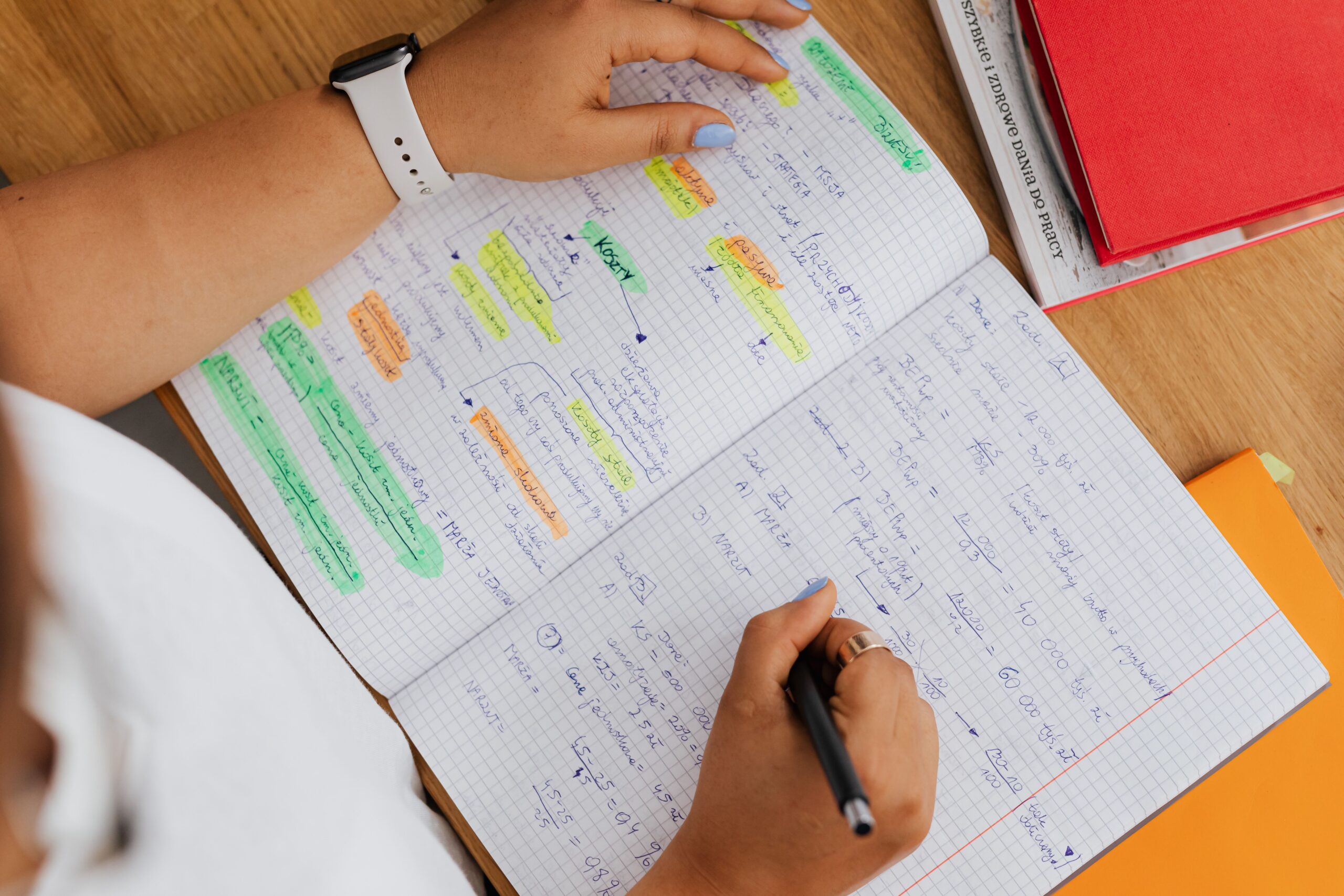
The resource stack I actually used
There’s an overwhelming amount of material out there, and chasing all of it is its own form of procrastination. I kept my JLPT N3 self study resources deliberately small: a core grammar/skills series, a flashcard system, a couple of input sources, and mock tests. That’s it. Here’s the stack and what each piece was for.
1. A core textbook to bridge into intermediate
If you’re coming straight off the beginner track, a structured course textbook smooths the jump into intermediate territory. Minna no Nihongo is the classic grammar-translation workhorse that takes you cleanly through the beginner grammar N3 assumes you already own. If you want something more reading- and context-driven aimed squarely at the intermediate transition, Tobira: Gateway to Advanced Japanese is the popular choice; it leans into longer passages and natural usage rather than drilling isolated sentences. Pick one as a backbone. You don’t need both.
2. Skill-specific prep books: Shin Kanzen Master vs Sou Matome
This is where the real N3 preparation lives, and it’s the decision most self-studiers agonize over. Both series split into separate books for grammar, vocabulary, kanji, reading, and listening, so you can buy only what you need. The short version from my experience and the general consensus:
| Series | Strengths | Best for |
|---|---|---|
| Shin Kanzen Master N3 | Deeper, denser, closer to real test difficulty, especially grammar | Grammar and reading; learners who want rigor |
| Nihongo Sou Matome N3 | Gentler, cleaner layout, day-by-day structure, well-liked audio | Listening and a manageable on-ramp; busy schedules |
What I actually did, and what I’d recommend for a working adult, is mix them by skill. I used Shin Kanzen Master N3 for grammar because it’s more thorough and pitched near actual exam difficulty, which meant fewer nasty surprises on test day. For listening, I leaned on Sou Matome, whose audio layout I found easier to use during commutes. Reading I split, starting gentler and ramping up. If decision fatigue is the enemy, a simple rule works: Sou Matome to build confidence, Shin Kanzen Master to close the gap to test level. And if even two series feels like too much to juggle around a job, a single all-in-one volume like TRY! N3, which organizes the grammar into practical units, is a lighter backbone you can lean on instead.
3. Anki for vocabulary and kanji
Spaced-repetition flashcards were non-negotiable for a busy schedule, because they’re the most time-efficient way to move a few thousand words and several hundred kanji into long-term memory. Anki (free on desktop and Android, paid on iOS) does the scheduling for you: it surfaces cards right before you’d forget them, so you spend your limited minutes only on what’s about to slip. I added new cards on weekends and did reviews on the commute. A realistic pace was 10 to 15 new words a day, which keeps the daily review load manageable rather than letting it snowball into a demoralizing backlog.
4. Input sources to make it stick
Textbooks teach the rules; real exposure makes them automatic. I padded my listening with graded podcasts aimed at intermediate learners (JapanesePod101 and similar) and slow-Japanese news like NHK Easy News, and on weekends I read short articles and easy native material. A grammar SRS such as Bunpro is a useful bridge between textbook study and recall if you prefer drilling on a phone over paper. Living in Japan helped here — signage, announcements, conversations — but you can replicate most of it anywhere with audio and reading apps, and a growing number of AI tools to learn Japanese now fill the same gap. The point is volume of contact, not perfection.
How I scheduled mock tests (and why it saved my listening score)
Mock tests are not an afterthought you do the week before. I built them into the calendar from the start, because the JLPT isn’t only a knowledge test, it’s a timed endurance and format test. Here’s the cadence I used over six months:
- Month 1: A single full past paper as a cold baseline, just to see where I stood and which section was weakest.
- Months 2–4: One section-level mini-test each week (rotating grammar, reading, listening) to track progress and find leaks early.
- Month 5: Two full, timed mock exams under realistic conditions, no pausing, no looking things up.
- Month 6: One final full mock about ten days out, then taper into light review.
The baseline test in month one is the single most valuable thing I did, and it’s the step most self-studiers skip. Mine exposed that my reading was on track but my listening was dangerously weak, exactly the kind of imbalance that sinks people under the 19-points-per-section rule. Because I caught it in month one, I could shift my commute time toward listening for months and turn a likely fail into a comfortable pass. Official past papers and reputable workbook mocks are both fine; what matters is doing them timed and honestly scoring them.
An honest hours-vs-results reality check
I want to be straight about this, because too much JLPT content sells a fantasy. Here’s the unglamorous truth about the hours.
- “Pass JLPT N3 in 6 months” is realistic, but only from a real N4 base. If you genuinely have N4 locked in, 250 to 450 hours over six months is achievable on a working schedule. If your “N4” is shaky, build that foundation first or give yourself eight to twelve months instead. Lying to yourself about your starting point is the most common way people fail.
- Consistency beats intensity, every time. Ninety focused minutes a day, six days a week, crushes a single frantic eight-hour weekend cram. The brain consolidates language through repeated exposure, not heroics, and cramming simply doesn’t transfer to a timed test.
- The sectional minimum is the real boss. You can have a comfortable total and still fail by scoring under 19 in one section. For self-studiers that section is almost always listening, because it’s the hardest to fake and the easiest to neglect. Track all three sections separately and feed your weakest one.
- Plateaus are normal, not failure. Around the midpoint it’ll feel like nothing is improving. That’s the gap between recognizing grammar and using it under time pressure closing in the background. Keep showing up; the mock test scores reveal the progress your day-to-day can’t feel.
The honest equation: hours times consistency, divided by an accurate starting point, equals your result. There’s no shortcut that beats showing up, but there’s also no need to quit your job or study six hours a day. A working adult with a sane, well-targeted system absolutely passes N3.
FAQ
Can I really pass JLPT N3 in 6 months while working full time?
Yes, if you start from a genuine N4 level and stay consistent. Budget roughly 250 to 450 hours, which is about 13 to 15 hours a week over six months. The catch is honesty about your starting point: a shaky N4 foundation means you should plan for eight to twelve months instead.
Should I use Shin Kanzen Master or Sou Matome for N3?
Mix them by skill. Shin Kanzen Master N3 is denser and closer to real test difficulty, which makes it strong for grammar and reading. Sou Matome is gentler with well-liked audio, making it a good on-ramp and a favorite for listening. Busy learners often start with Sou Matome for confidence, then use Shin Kanzen Master to reach exam level.
How many hours a day do I need to study for N3?
Around 90 minutes on weekdays plus two longer weekend blocks is enough for most working adults. The key is splitting study by energy level: light review and listening during commutes and lunch, and harder new material when your brain is fresh on weekends.
What is the passing score for JLPT N3?
You need at least 95 out of 180 overall, and at least 19 out of 60 in each of the three sections: Language Knowledge, Reading, and Listening. Clearing the total but failing one section means you fail the whole test, so balance across all three skills matters as much as your overall score.
When is the JLPT held in 2026?
The two global test dates are Sunday, July 5, 2026 and Sunday, December 6, 2026. Registration for the July session ran from mid-March to early April; the December session typically opens around late August and closes in September. One 2026 change worth knowing: starting with the July 2026 exam, you can no longer take the JLPT inside Japan on a short-term “tourist” visa — you need an appropriate residence status. Always confirm the exact dates, deadlines, and eligibility on the official JLPT website for your area.
Final thoughts
Passing N3 as a full-time worker isn’t about being smarter or more disciplined than anyone else. It’s about designing a plan that respects the life you already have. Convert your commute into review time, defend two weekend blocks like real appointments, keep your resource stack small, and let mock tests tell you the truth early. Do that consistently for six months and N3 stops being a someday goal and becomes a date on the calendar. (The same fit-it-around-a-job, consistency-over-cramming approach is exactly how I passed the AWS AI Practitioner in one go — different exam, same playbook.) The hardest part isn’t the kanji or the grammar; it’s simply starting, today, with whatever pocket of time you’ve got.



[…] like Anki or WaniKani. This is the structured, fit-it-around-your-life approach I describe in our JLPT N3 self-study guide; anime is the listening layer on top of that foundation, not a […]